NCAA rejects Ole Miss request to reconsider Trinidad Chambliss waiver, sending eligibility dispute to court and leaving Rebels quarterback situation uncertain.
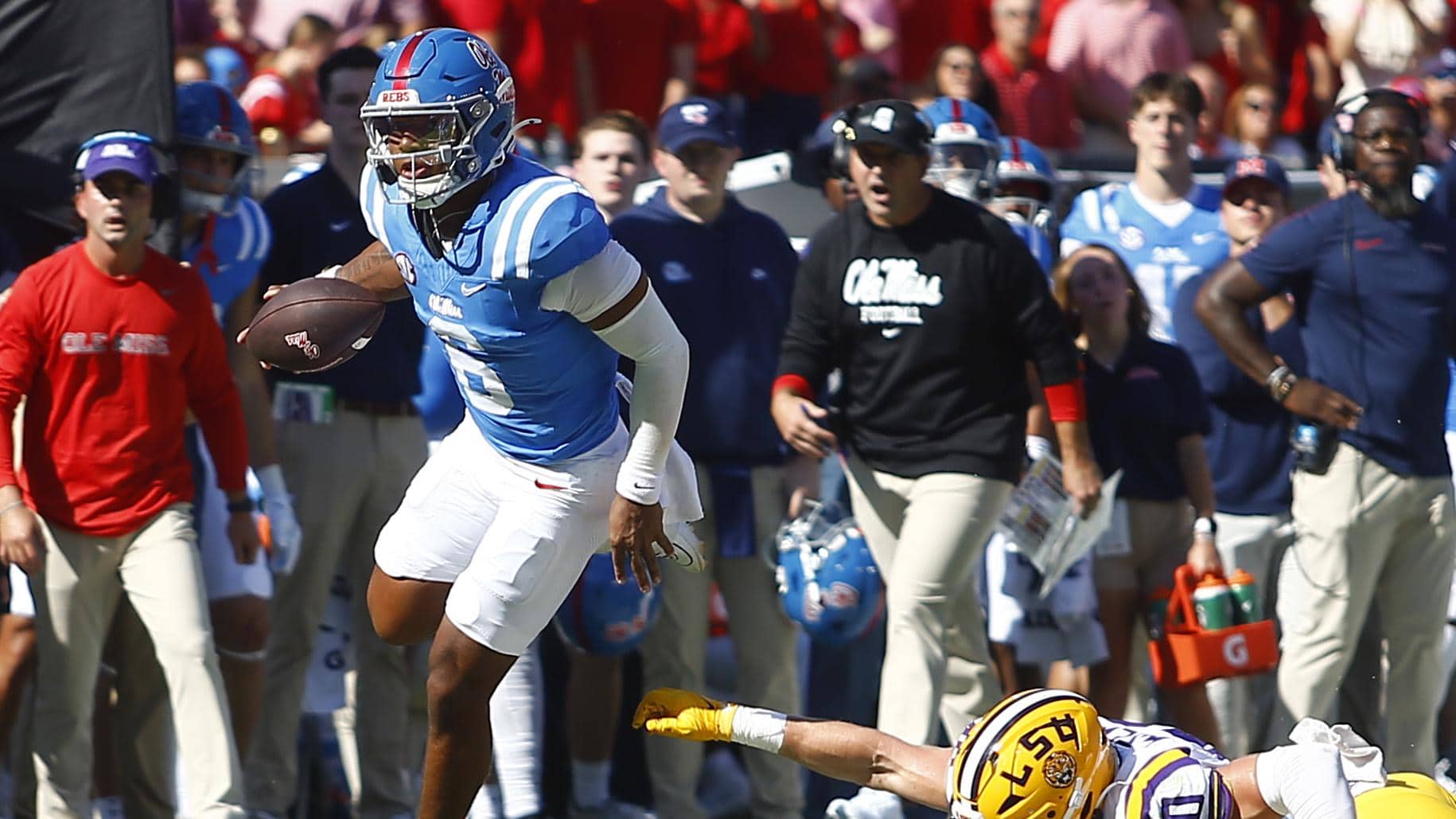
OXFORD, Miss. — The NCAA has denied Ole Miss’ request for reconsideration of an eligibility waiver for quarterback Trinidad Chambliss, exhausting the university’s remaining administrative options and shifting the dispute into the courts as the Rebels’ 2026 roster outlook remains uncertain.
The school submitted the request earlier this week with additional evidence, but the governing body ruled the material insufficient to revisit its decision, according to multiple reports.
The latest rejection marks the third denial tied to Chambliss’ pursuit of a sixth season of collegiate eligibility following an initial waiver refusal and a subsequent appeal.
Chambliss is now seeking relief through the judicial system, where he has filed suit requesting an injunction preventing enforcement of NCAA eligibility rules that would bar him from competing next season.
Background on waiver dispute
At the center of the case is Chambliss’ 2022 season at Division II Ferris State, when he did not play while dealing with respiratory issues that ultimately led to surgery.
He is asking a court to recognize that year as a medical redshirt, which would extend his eligibility clock. The NCAA has disagreed with that interpretation, determining he did not qualify under its criteria.
The organization maintains that clock extensions require documented incapacitating injury evidence from the time of occurrence and that an athlete must lose seasons of competition for reasons beyond institutional or personal control.
Data provided by the NCAA indicates only a fraction of football clock-extension requests are approved when documentation thresholds are met, reinforcing the standards applied in Chambliss’ case.
Ole Miss representatives have strongly contested that reasoning, stating the quarterback did not dress for games and suffered “severe, incapacitating medical conditions,” arguing denial contradicts medical documentation.
Legal path becomes focus
With administrative remedies exhausted, Chambliss’ legal team has pledged continued action.
“Trinidad’s representatives will continue to pursue all available legal remedies,” a statement said, adding they intend to challenge a decision they believe conflicts with precedent and medical records.
A hearing tied to the requested injunction was scheduled Thursday in Mississippi, where a favorable ruling could allow Chambliss to play regardless of NCAA enforcement.
The case reflects a broader trend of athletes turning to courts to contest eligibility determinations. That an approach has reshaped roster management across major programs in recent cycles.
Production fuels stakes
Chambliss’ performance at Ole Miss has heightened attention surrounding the dispute.
The dual-threat quarterback helped drive one of the nation’s most productive offenses in 2025, completing 65.5% of passes for 3,016 yards with 18 touchdowns and three interceptions while adding 470 rushing yards and six scores.
Those numbers contributed to an offense ranking among national leaders in yardage and scoring efficiency.
He also finished the season among the SEC’s top statistical performers and was linked to potential financial incentives tied to his eligibility status, with reports noting a compensation package exceeding $5 million contingent on returning.
Under standard NCAA rules, athletes typically receive five academic years to play four seasons, leaving Chambliss’ eligibility hinging on the medical-redshirt interpretation.
Implications for Ole Miss
Ole Miss must now prepare for multiple outcomes, including replacing its starting quarterback or reintegrating him if a court ruling intervenes.
Roster planning in the transfer-portal era often depends on eligibility clarity, and the uncertainty surrounding Chambliss underscores the administrative volatility shaping modern college football.
Whether the dispute results in a courtroom precedent or ends with Chambliss’ departure for professional opportunities, the case stands as another flashpoint in the evolving relationship between governance, athlete rights and competitive balance.
For now, the NCAA’s decision stands, but the final resolution appears likely to come outside its internal structure.